
People


Aahana Ganguly
Campus BengaluruInterests:
Surface Chemistry, Nanotoxicology, Plasmonics Sensing, Computational Electrodynamics, Environmental Policy, Climate Change Pedagogy, Environmental Chemistry
Contact
- JavaScript is required to reveal this message.


Aanchal Chomal
Campus BengaluruInterests:
Formative Assessments, Quality Standards, Teacher Evaluations, Social Science Pedagogy
Contact
- JavaScript is required to reveal this message.


Aashti Salman
Campus BengaluruInterests:
Social Mobility, Social Stratification, Class, Occupational Aspirations, Residential Segregation, Education, Research Methods
Contact
- JavaScript is required to reveal this message.


Abdul Qaiyum
Campus BengaluruInterests:
Education and Social Mobility, Sociology of Education, Social Theory, Sociology of Minorities
Contact
- JavaScript is required to reveal this message.
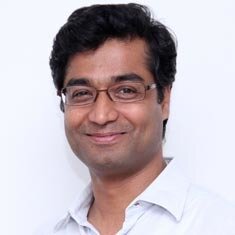

Abhijeet Bardapurkar
Campus BengaluruInterests:
Ethics and Education, Development of Explanatory Understanding, Science Learning
Contact
- JavaScript is required to reveal this message.

Abhijeet Pratap Singh
Campus BhopalContact
- JavaScript is required to reveal this message.
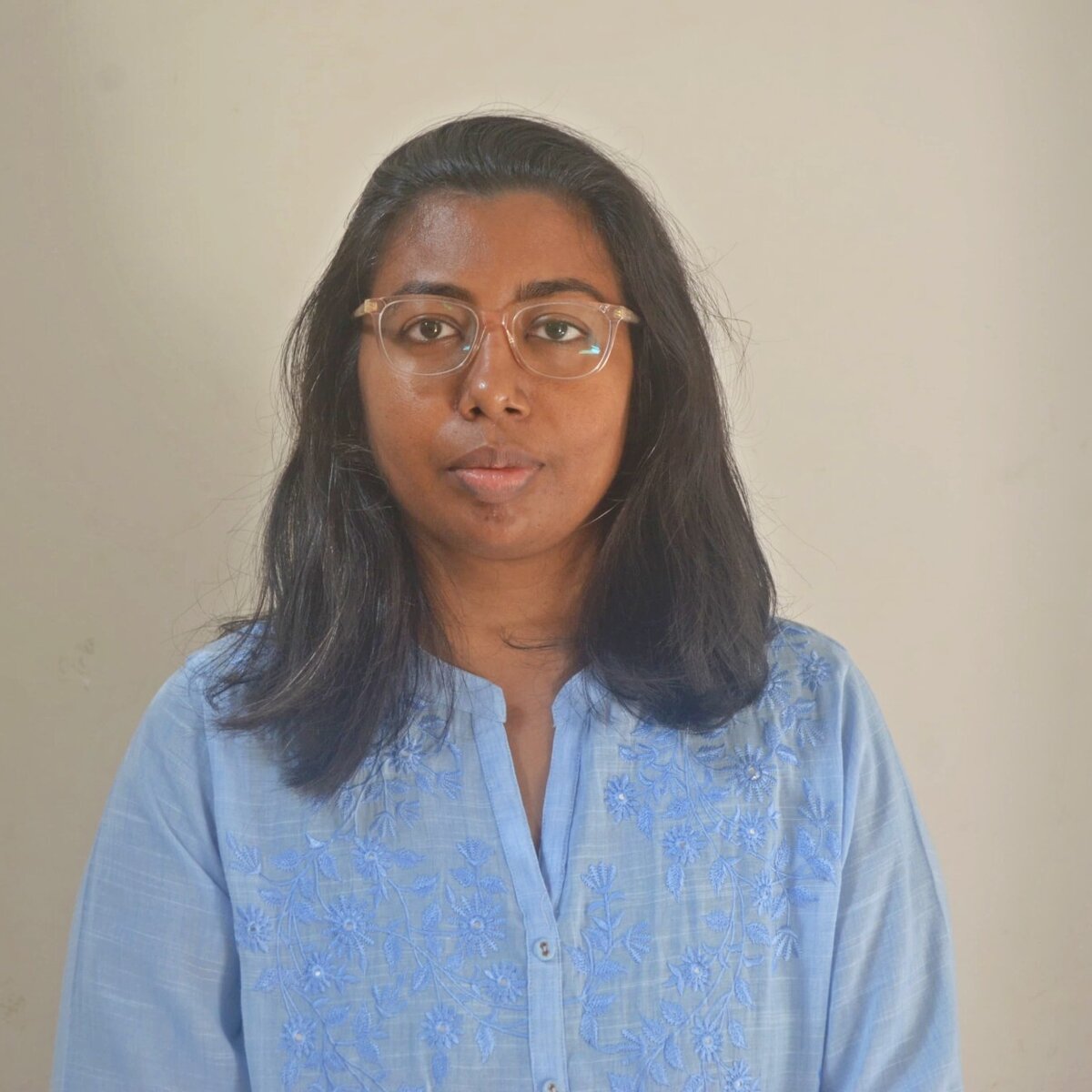
Interests:
Personalised learning using Artificial Intelligence in Education, Play-based learning in early childhood education
Contact
- JavaScript is required to reveal this message.
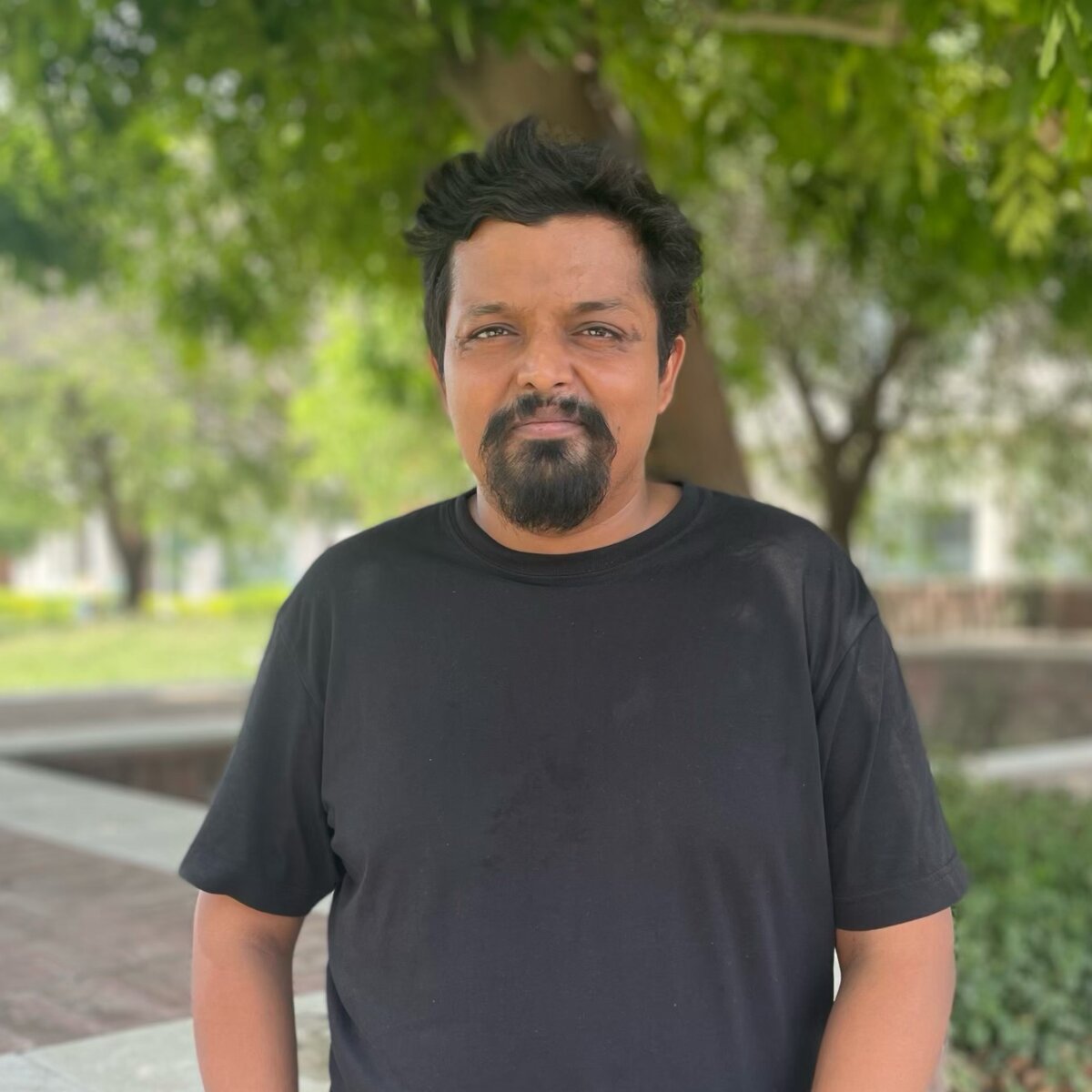
Abhishek Shaw
Campus BengaluruInterests:
Caste and economic development, Affirmative action in higher education, New agricultural cash transfers in India, Geospatial applications in economics research, Socio-economic impacts of political conflict
Contact
- JavaScript is required to reveal this message.

Achyut Kumar Banerjee
Campus BhopalInterests:
Plant Ecology, Biological Invasion, Spatial Ecology and Conservation Modelling, Historical, Ecological and Conservation Biogeography, Community and Ecosystem Ecology
Contact
- JavaScript is required to reveal this message.
- banerjeeachyut31.wixsite.com/achyutkumarbanerjee
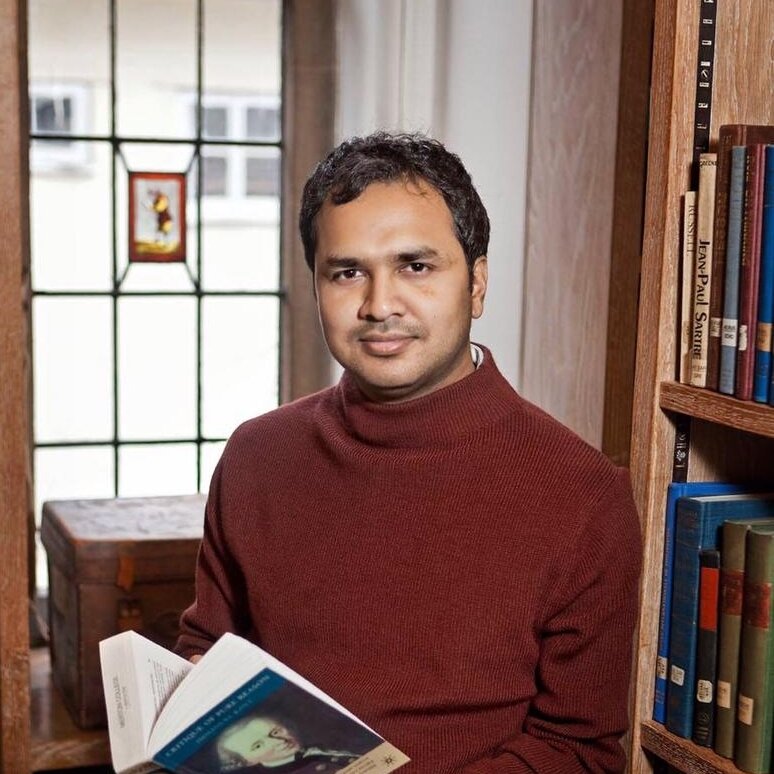

Adil Hossain
Campus BengaluruInterests:
Anthropology of Citizenship, State and Bureaucracy, Ethnic Conflict, Internally Displaced People
Contact
- JavaScript is required to reveal this message.
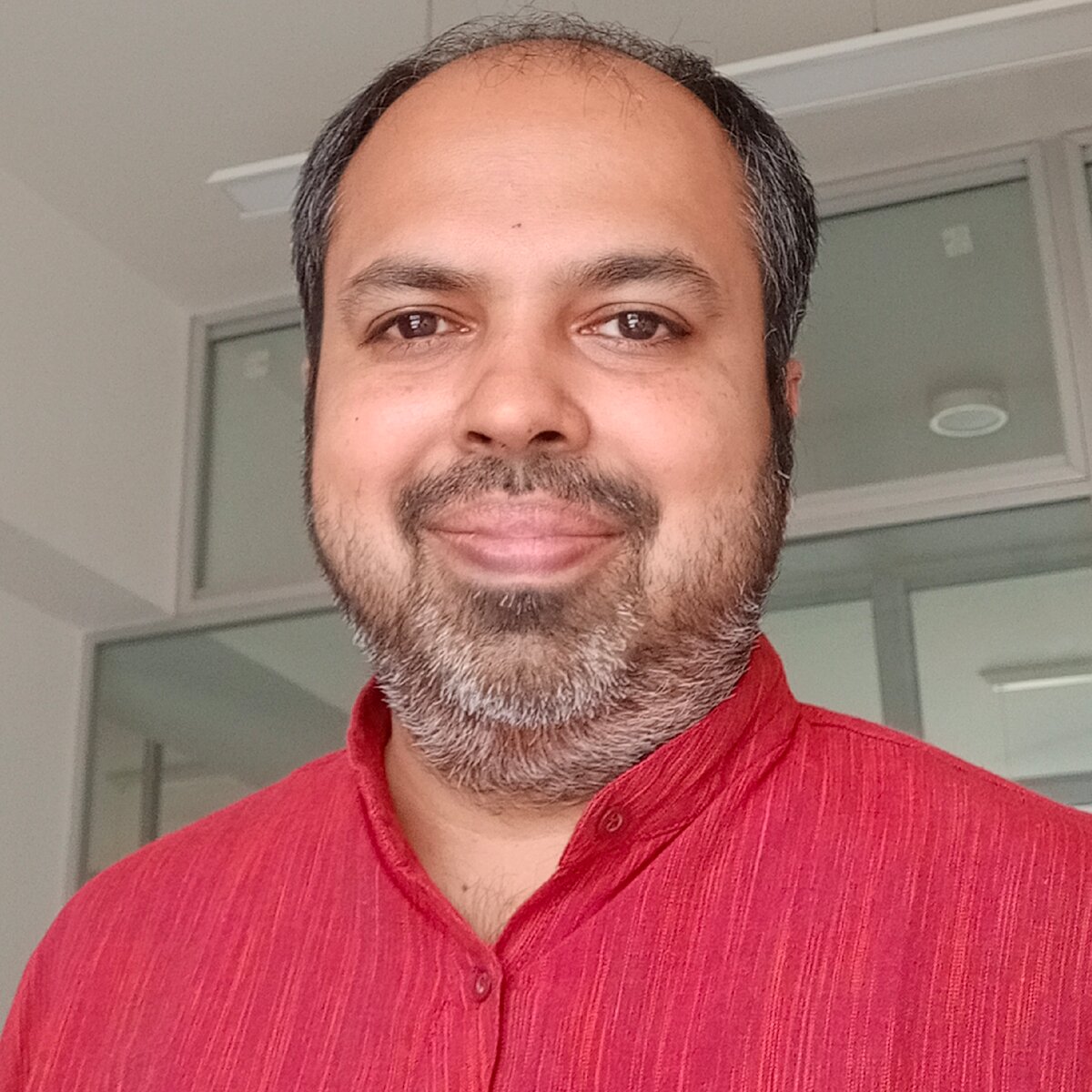
Adithya Pradyumna
Campus BengaluruInterests:
Environment and Health, Public Health, Health Impact Assessment, Food Systems, Cross-Sectional Studies, Mixed Methods Research, Environmental Health Ethics
Contact
- JavaScript is required to reveal this message.
- researchgate.net/profile/Adithya-Pradyumna
- linkedin.com/in/adithya-pradyumna-9b90a734
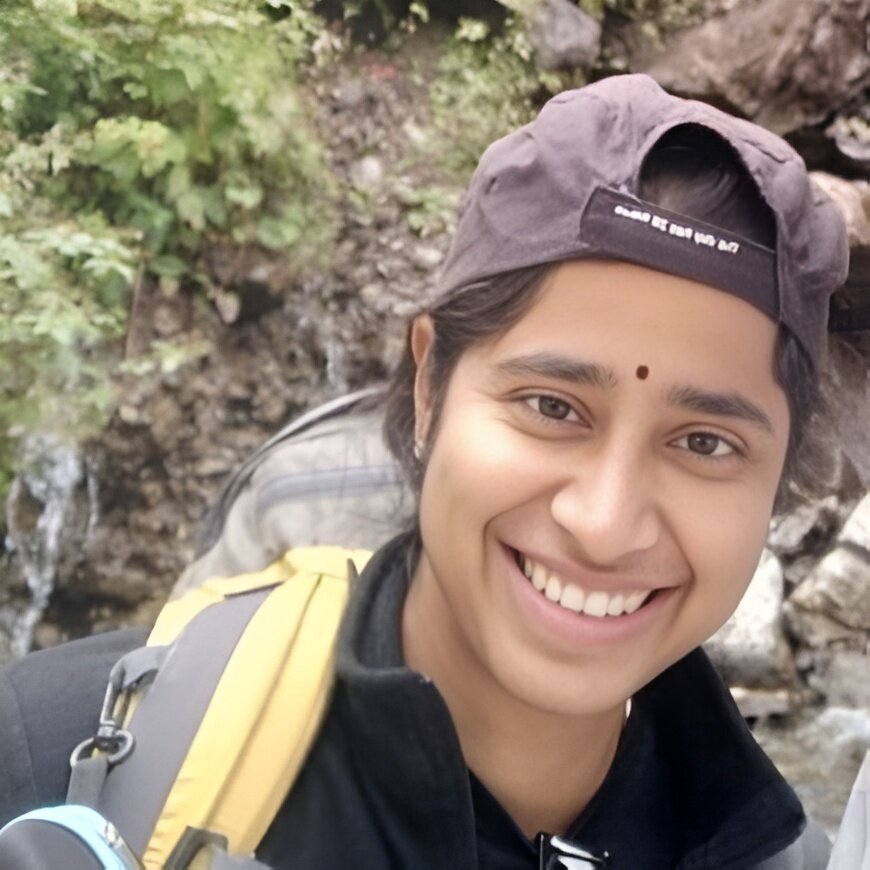

Aditi Chandrasekar
Campus BengaluruInterests:
Curricular and course development, Lab infrastructure set-up, Science teaching, Research in computational chemistry, Teacher education
Contact
- JavaScript is required to reveal this message.
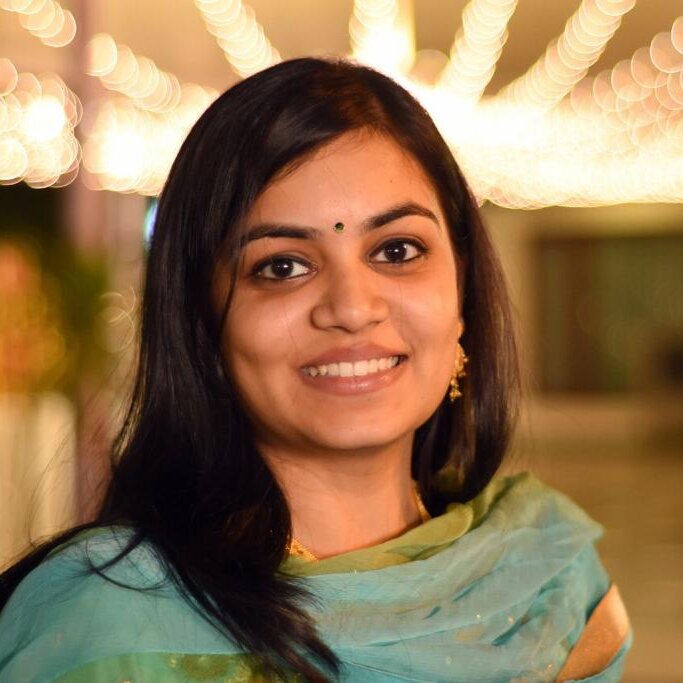

Aditi Gaur
Campus BhopalInterests:
Recruitment, Selection and Hiring, Talent Sourcing and Acquisition, Orientation and Induction, Training and Development, Employer-Employee Relations, Team Building
Contact
- JavaScript is required to reveal this message.
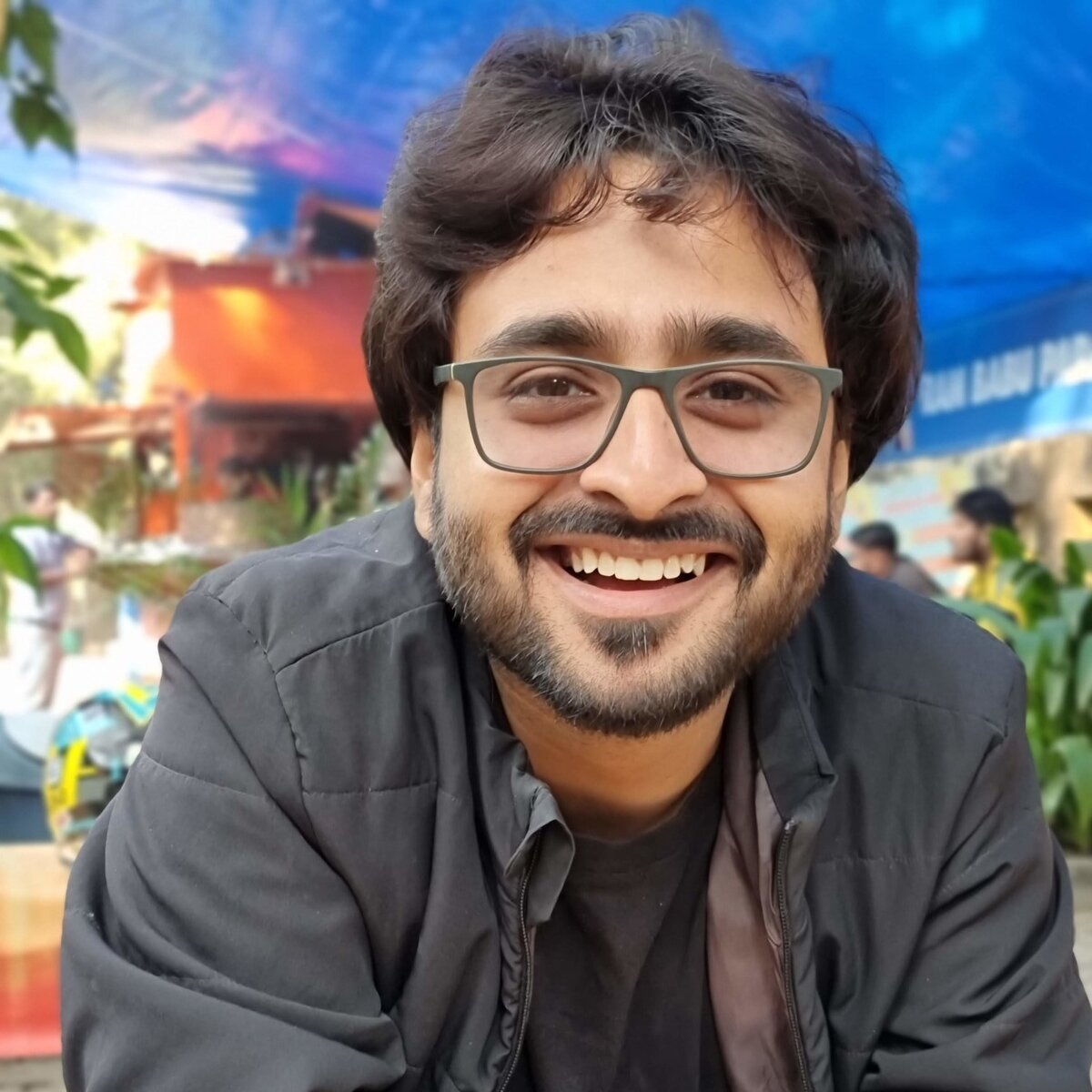
Agniva Pal
Campus BengaluruInterests:
Neurocognitive Linguistics, Psycholinguistics, Sociolinguistics, Linguistics and Language Theories, Language Teaching and Learning, Language Pedagogy and Language Planning
Contact
- JavaScript is required to reveal this message.


Ahana Dasgupta
Campus BengaluruInterests:
Early Childhood Education (ECE), Foundational Literacy and Numeracy (FLN), First and Second Language Pedagogy, English as a Second Language Pedagogy
Contact
- JavaScript is required to reveal this message.
- linkedin.com/in/ahana-dasgupta-7801031ab
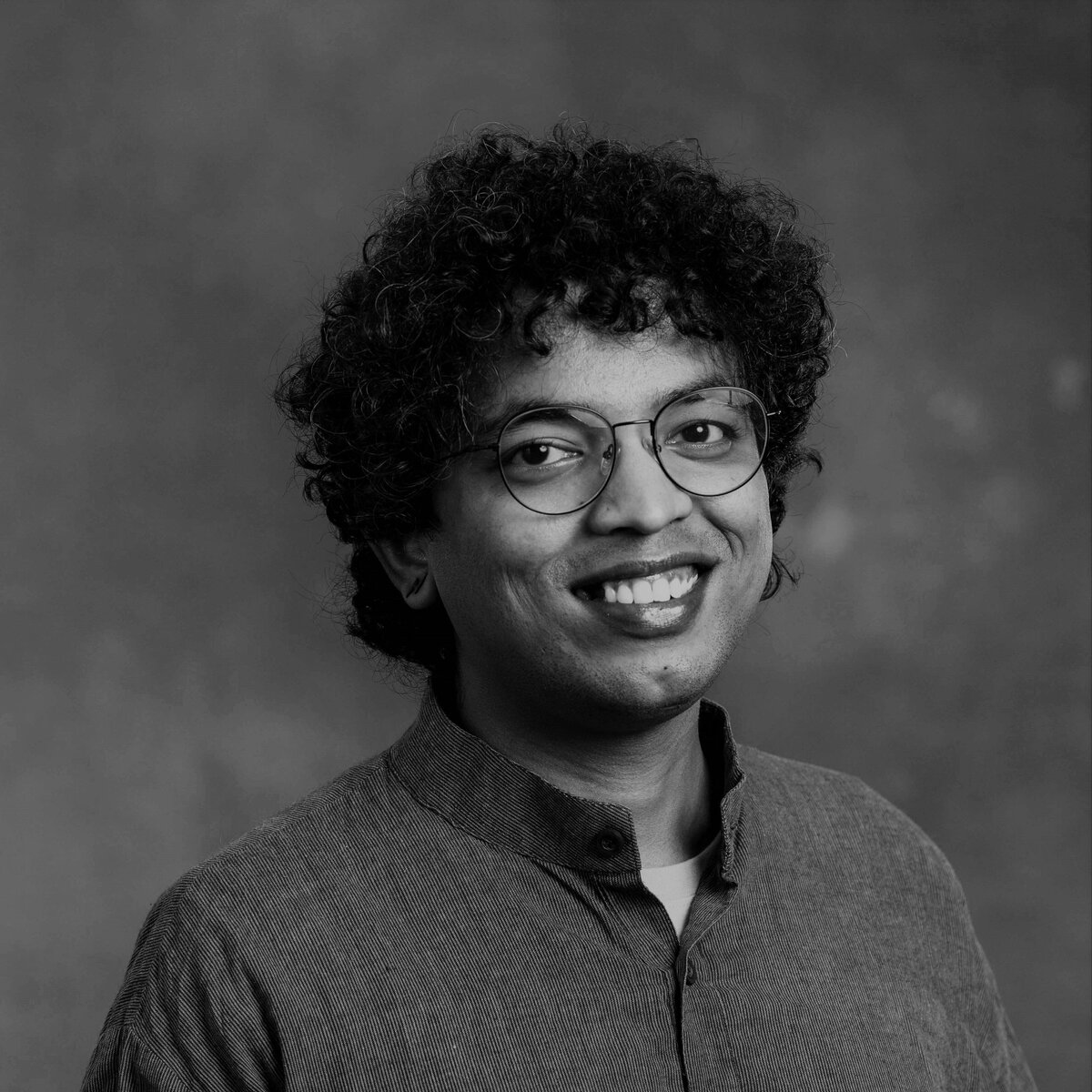
Ajay Salunkhe
Campus BhopalInterests:
History of Museums in India, Colonialism and Modernity, Nationalism and Art, Colonial and Post-Colonial Visual Culture, Indian Art and Art History, History of Photography, Anthropology and Photography, Museum Studies, International Bureaucracies, Cold War and Politics of Art, Indo-US Relations and Cultural Exchanges, South Asian Art in the USA
Contact
- JavaScript is required to reveal this message.
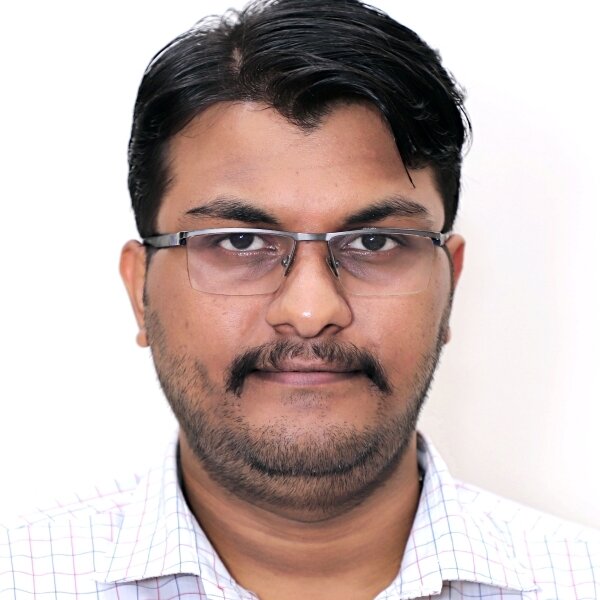

Ajaykumar K
Campus BengaluruInterests:
Lie Algebra and Lie Group Bundles, Generalisations of Lie Groups, Mathematics Teacher Education
Contact
- JavaScript is required to reveal this message.


Akanksha Pandey
Campus BengaluruInterests:
Academic administration, MIS and data management, Faculty coordination, Curriculum planning, Student support services
Contact
- JavaScript is required to reveal this message.


Akhila Mathew
Campus BengaluruInterests:
History of Witchcraft, Gender and Questions of Deviance, History of Households, Caste, Law and State, Early Modern Rajasthan
Contact
- JavaScript is required to reveal this message.
Akshata Pareek
Campus BhopalContact
- JavaScript is required to reveal this message.
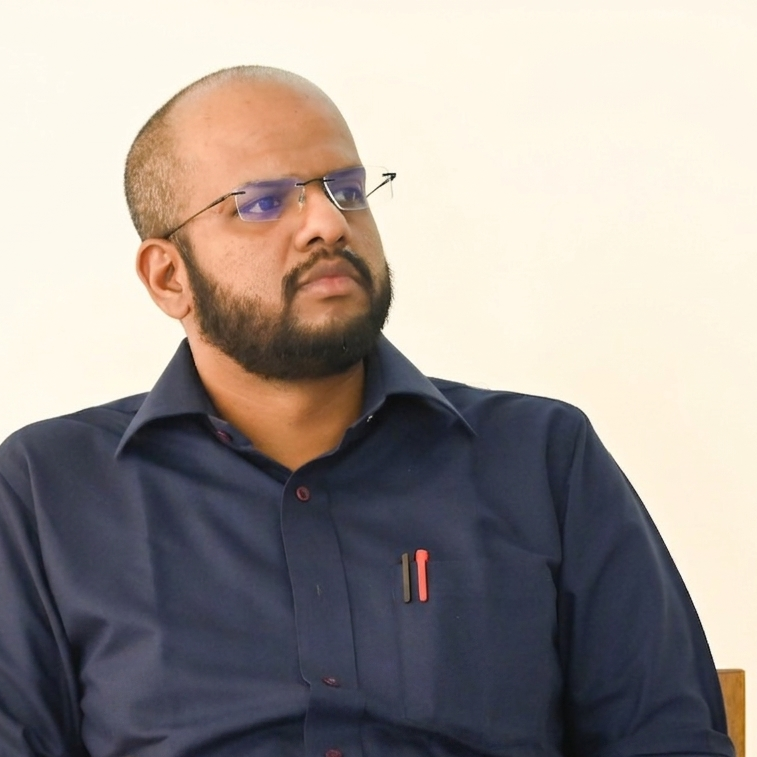

Alex M Thomas
Campus BengaluruInterests:
History of economic thought, Classical political economy
Contact
- JavaScript is required to reveal this message.
- alexmthomas.com
- youtube.com/@AlexMThomas
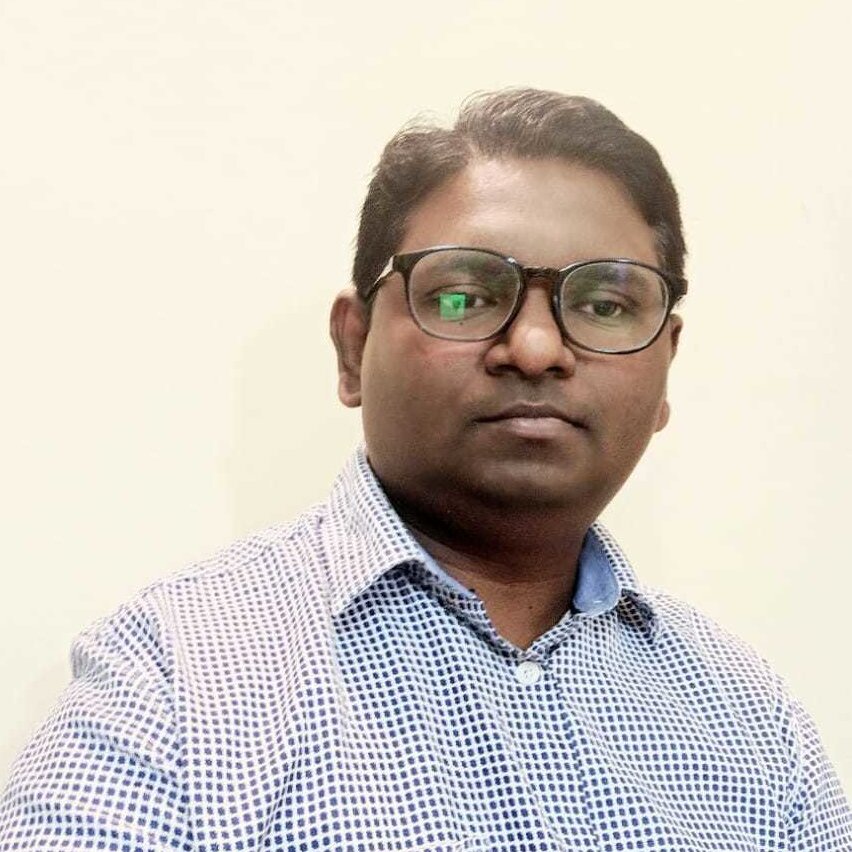

Alex P Joy
Campus BengaluruInterests:
Science Education, Pedagogy of Biology, Assessment, Testing and Measurement, Philosophy of Science, Teacher Education, Cognition and Learning, Mixed Methods Research
Contact
- JavaScript is required to reveal this message.

Interests:
Biological invasions, Biodiversity science and policy, Conservation biology, Evolutionary biology and sociobiology, Animal behaviour and behavioural ecology, Population biology, Community conservation practices, Scientific leadership in the global south
Contact
- JavaScript is required to reveal this message.
- scholar.google.co.in/citations?user=Vmo7Sl8AAAAJ
- twitter.com/ecoalok

Alok Pandurangi
Campus BengaluruInterests:
Education Policy in India, Perceptions of Education, How the brain understands Music, Mathematics in Music
Contact
- JavaScript is required to reveal this message.

Alok Ranjan
Campus BengaluruInterests:
Water, Sanitation, Hygiene, Women-led micro enterprises
Contact
- JavaScript is required to reveal this message.
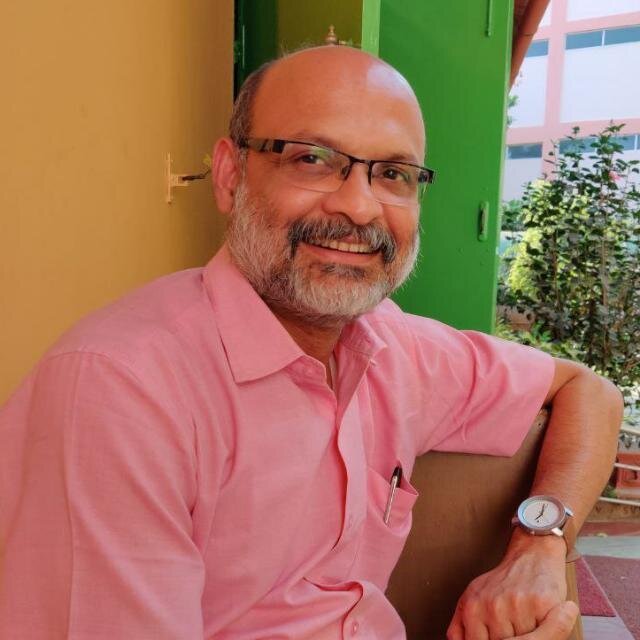

Amalendu Jyotishi
Campus BengaluruInterests:
Natural Resource Management and Commons, New Institutional Economics and Legal Pluralism, Ecosystem and Livelihood issues, Agriculture and Development Economics, Economic and Ecological History, Urban Food Security and Malnutrition
Contact
- JavaScript is required to reveal this message.
- mirakee.com/amalendu

Amirtha Gowri Durairaj
Campus BengaluruInterests:
Community and Public Health Nutrition, Nutrition Education and Behavioral Science, Sports Nutrition & Human Performance
Contact
- JavaScript is required to reveal this message.
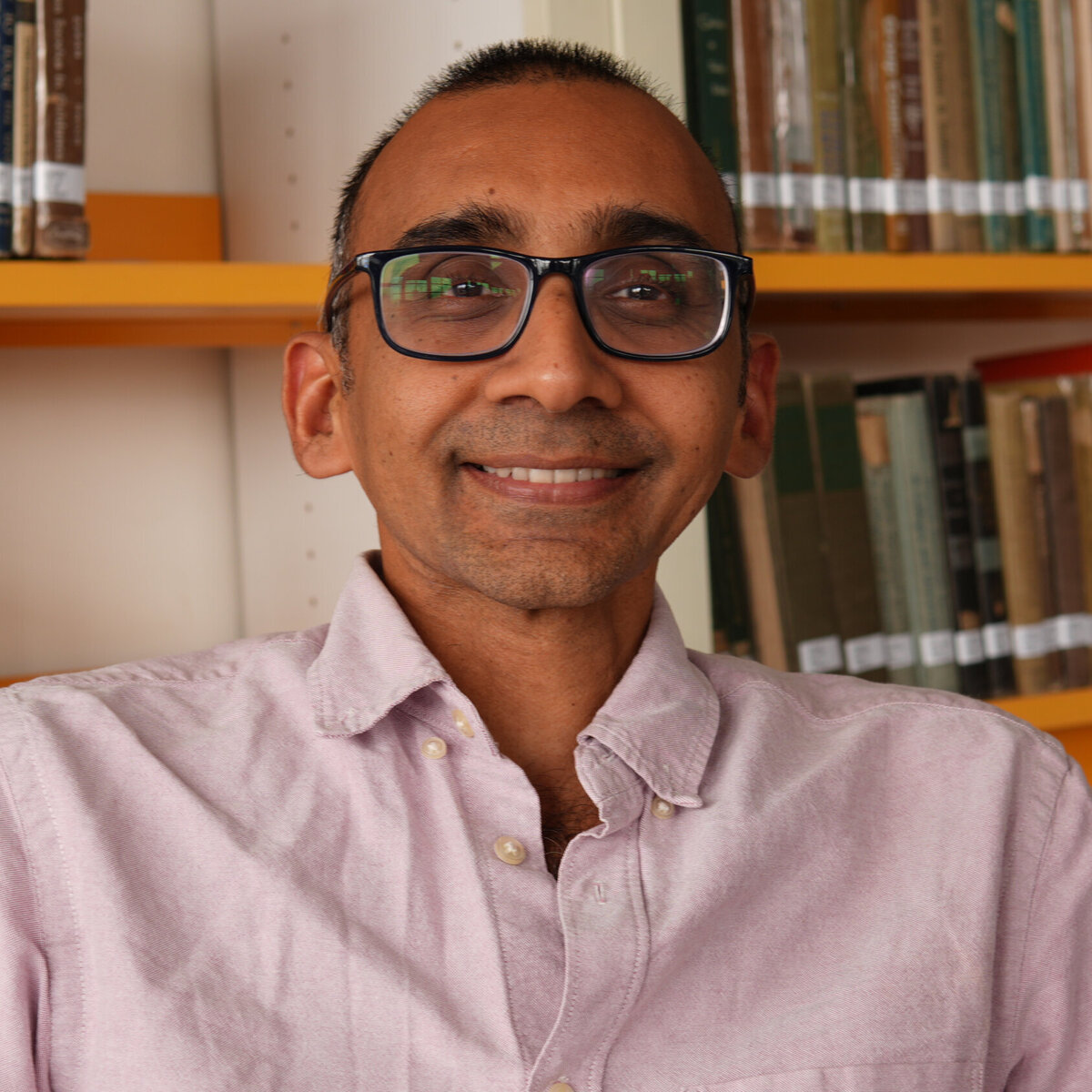
Amit Basole
Campus BengaluruInterests:
Labour, Employment structural change, Artisanal economies
Contact
- JavaScript is required to reveal this message.
- amitbasole.wordpress.com
- twitter.com/amitbasole?lang=en
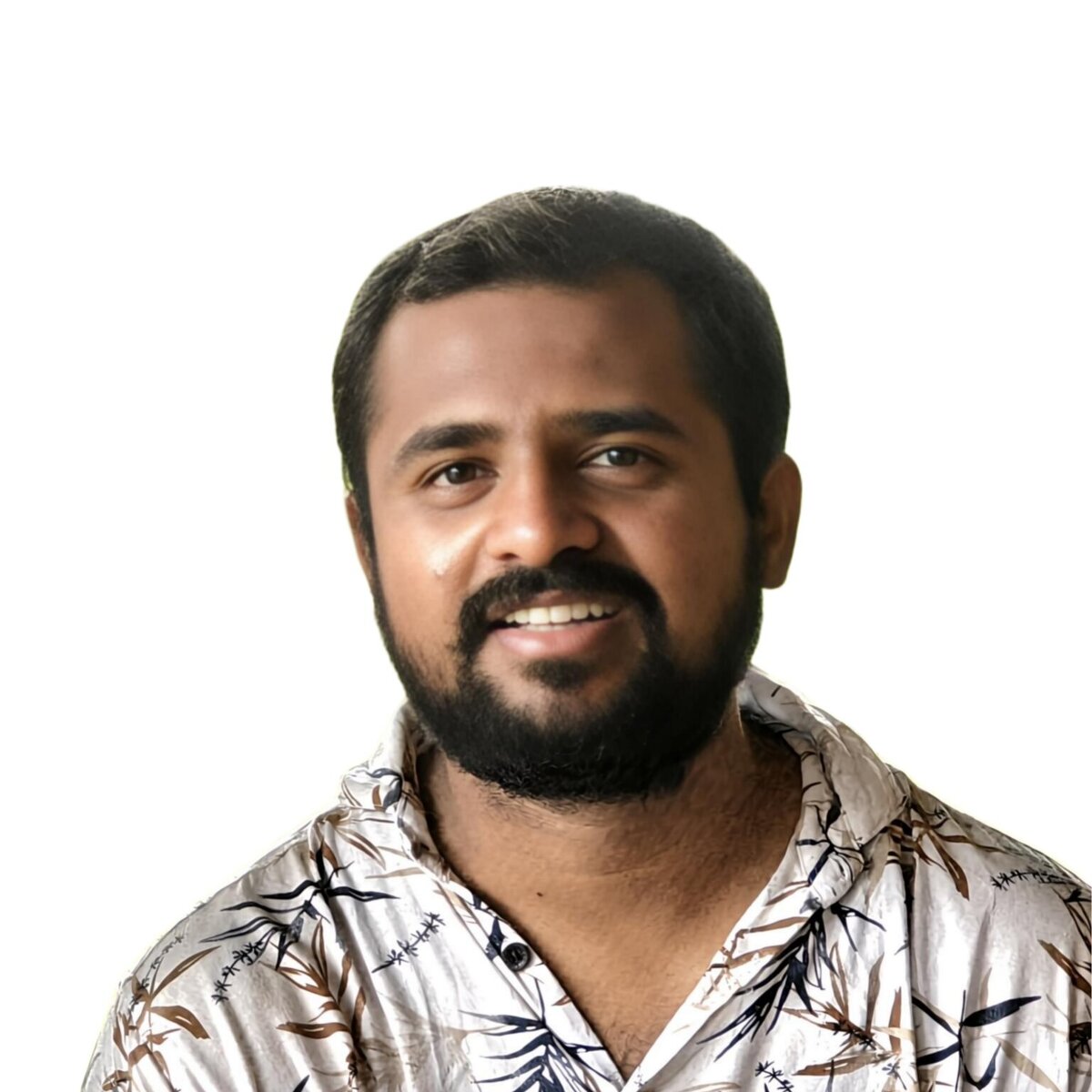
Amit Dilip Bokde
Campus BhopalInterests:
Contact
- JavaScript is required to reveal this message.
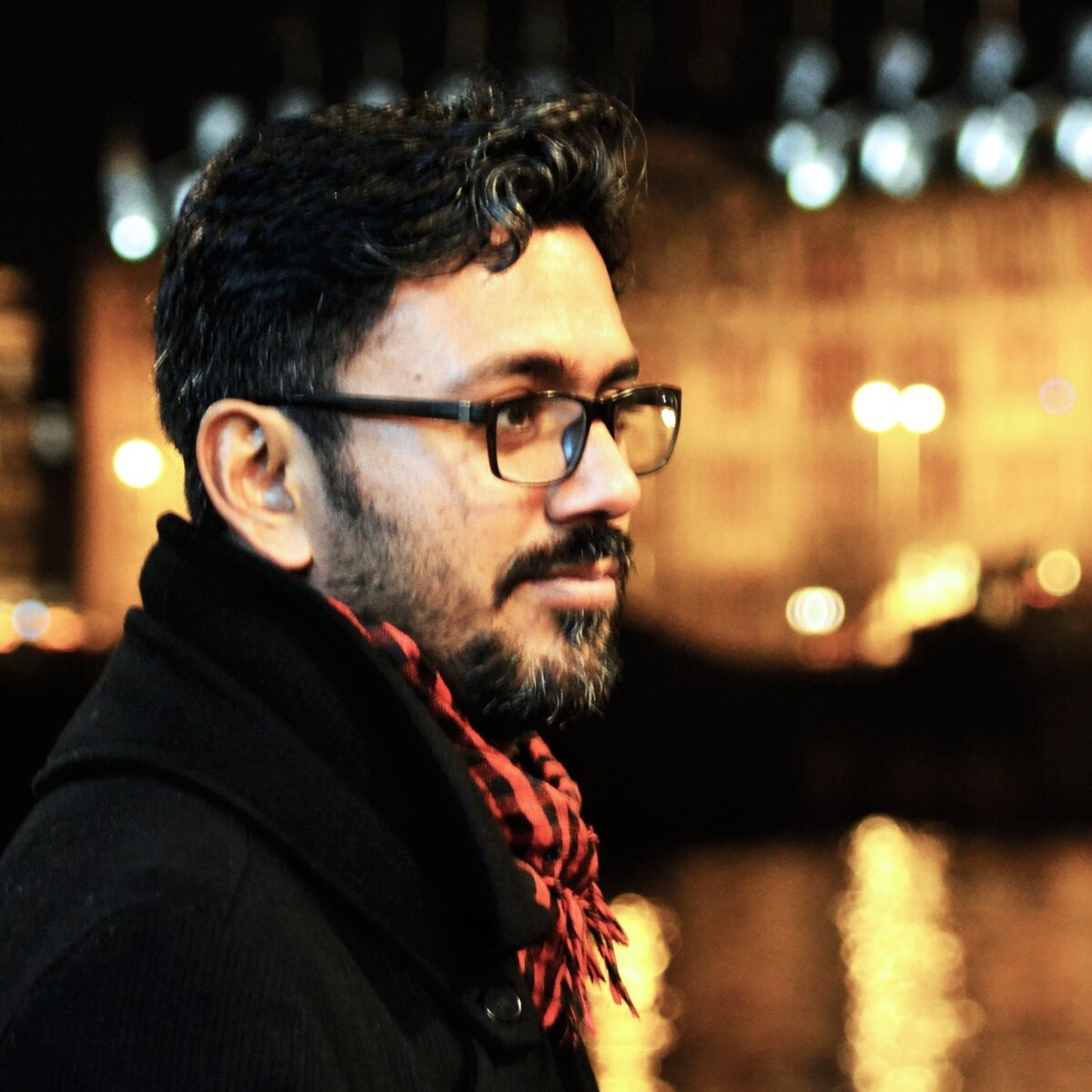
Amit Kumar
Campus BengaluruInterests:
Political Economy, History of the Princely state of Jammu and Kashmir, Histories and Cultures of Western Himalayas, Memory and History, Artisanal Histories, Questions of being and becoming, Nomadic histories
Contact
- JavaScript is required to reveal this message.